BrightnessControl – A Useful Tool for Managing Screen Brightness
Introduction
Brightnesscontrol is an important feature that allows users to adjust the brightness level of screens on devices such as smartphones, laptops, tablets, and desktop monitors. Proper brightnesscontrol helps users view content clearly while also reducing eye strain during long periods of screen use. In today’s digital world, people spend many hours using electronic devices, so managing brightness levels effectively has become very important.
Many operating systems and applications provide built-in brightnesscontrol settings that allow users to adjust the display brightness according to their environment. Whether working during the day or using a device at night, brightnesscontrol helps create a comfortable viewing experience.
What is BrightnessControl
Brightnesscontrol refers to the ability to increase or decrease the brightness of a device’s screen. This feature allows users to adjust the intensity of the light emitted by the display. The purpose of brightnesscontrol is to improve visibility, protect eye comfort, and optimize battery usage.
Most modern devices include brightnesscontrol settings that can be adjusted manually or automatically depending on the surrounding lighting conditions.
Features of BrightnessControl
Manual Brightness Adjustment
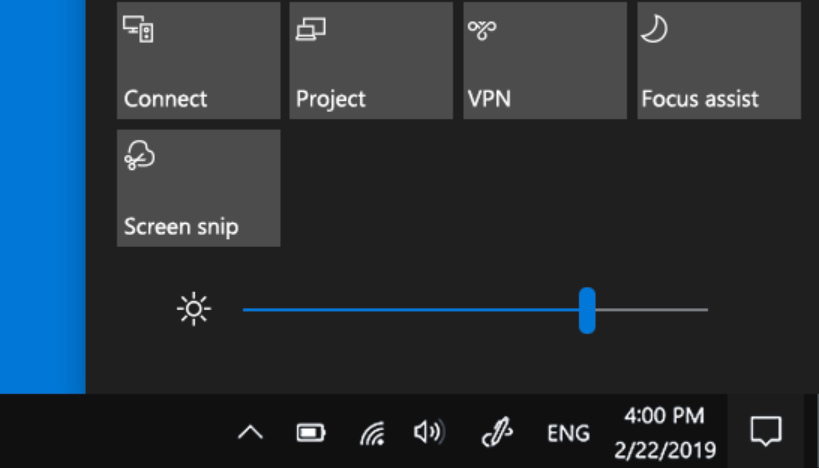
One of the most common brightnesscontrol features is manual adjustment. Users can increase or decrease brightness through system settings or quick control panels on their devices.
Automatic Brightness Control
Many devices include automatic brightnesscontrol, which adjusts the screen brightness based on the surrounding light environment. This feature uses sensors to detect ambient light and set the appropriate brightness level.
Night Mode or Eye Comfort Mode
Some brightnesscontrol systems include special modes such as night mode or eye comfort mode. These features reduce blue light and lower brightness levels to make screen viewing more comfortable at night.
Energy Saving Options
Brightnesscontrol can also help reduce power consumption. Lower brightness levels often extend battery life on mobile devices.
Importance of BrightnessControl
Brightnesscontrol plays an important role in creating a comfortable digital experience. Screens that are too bright can cause eye strain, headaches, and fatigue. On the other hand, screens that are too dim may make it difficult to read or view content.
By adjusting brightnesscontrol properly, users can improve visibility while protecting their eyes during long periods of device usage.
Benefits of Using BrightnessControl
Reduces Eye Strain
Proper brightnesscontrol helps prevent discomfort caused by overly bright screens.
Improves Viewing Comfort
Users can adjust brightnesscontrol depending on their surroundings, making the screen easier to view.
Saves Battery Life
Lower brightnesscontrol settings can help extend battery life on smartphones, laptops, and tablets.
Better Screen Visibility
Adjusting brightnesscontrol ensures that text, images, and videos appear clear and readable.
Who Uses BrightnessControl
Brightnesscontrol is used by anyone who operates digital devices such as computers, smartphones, or tablets. Students, professionals, gamers, and casual users all benefit from adjusting brightness settings to suit their environment.
People who work long hours on screens often rely on brightnesscontrol features to reduce eye fatigue and maintain comfortable viewing conditions.
The Future of BrightnessControl
Technology companies continue improving brightnesscontrol systems with smarter features and advanced display technologies. Future devices may include more intelligent brightnesscontrol options that automatically adapt to different environments and user preferences.
Advanced display technologies such as adaptive lighting and AI based brightness adjustments may further improve the user experience.
Conclusion
Brightnesscontrol is an essential feature that helps users manage screen brightness for better comfort and efficiency. By adjusting brightness levels according to the environment, users can reduce eye strain, improve visibility, and save battery power. As digital devices continue to evolve, brightnesscontrol will remain an important part of creating a comfortable and user friendly screen experience.